
When Should I Dye My Pond?
When to Dye the Pond
Pond dyes are best applied in the spring before any growth begins, when the pond is holding more oxygen. This will filter the amount of sunlight that gets to the underwater plants and algae. Algae and plants typically start growing once the water reaches about 55° F, so adding dye before this is most beneficial.
When Not to Dye the Pond
If you have not kept your pond dyed since spring and you have fish, do not dye the pond in mid-summer. It’s is like turning the lights off to the pond. Plants go into respiration full time since it’s darker, and this can deplete oxygen levels too much for fish as these plants use more oxygen than they produce during this time.
Choosing a Dye
Lake Restoration offers four different colors of our branded dyes.
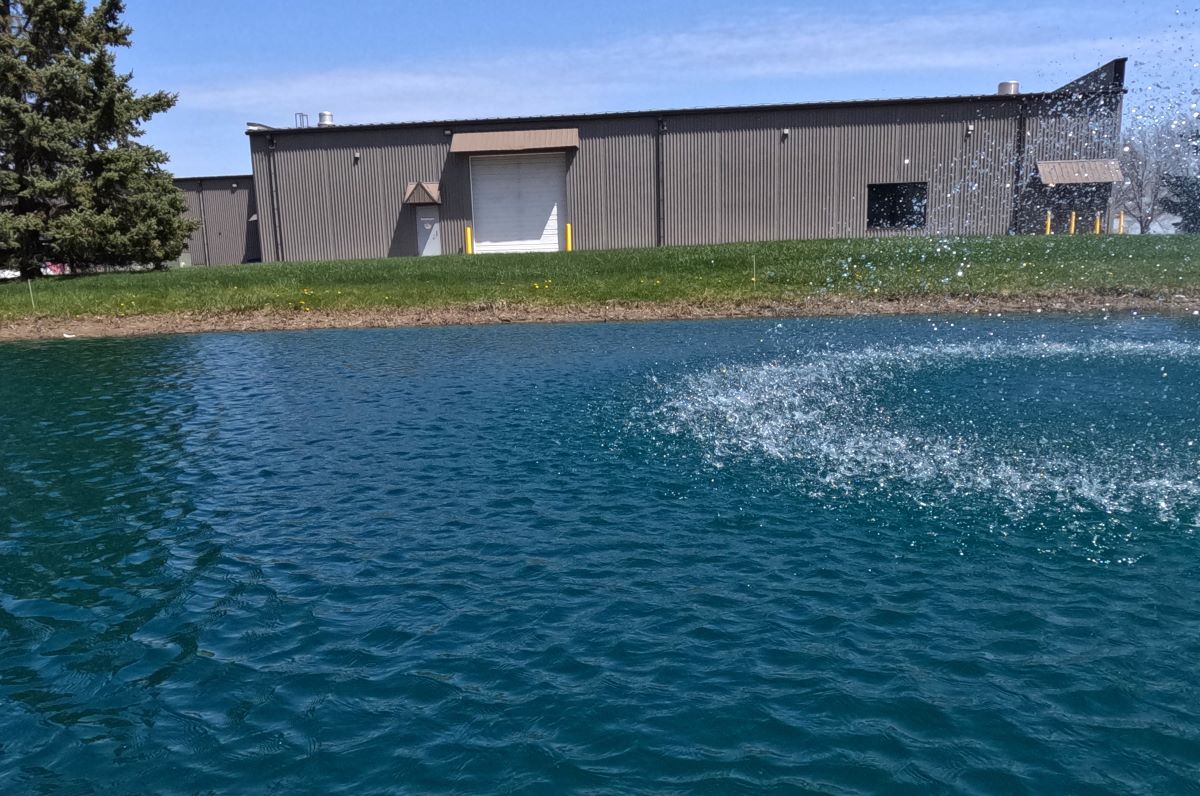
Our premium dye, Sapphire Bay, contains a blend of blue and yellow to block out specific light rays that are critical to photosynthesis. It will leave your water a gorgeous Caribbean blue color. Continue to use it throughout the summer to keep your water looking great!
Lake Restoration’s value dyes come in three colors: bright blue, deep blue, and reflection black. Bright blue is just that: bright, like a pool blue. Deep blue is a darker, more natural looking blue, and reflection black is even darker. In man-made ponds or ponds with landscaping around them, deep blue or bright blue can look great. Ponds with trees around look phenomenal with the reflection black dye; it gives a bottomless and reflective look that shows off nature’s surroundings.
All these dyes filter sunlight, and the best option is whichever color you like the most. Some people even mix the deep blue with reflection black (four parts deep blue to one part black) for a custom color!
How to Add Pond Dye
Forms of Dye Available
All our dyes come in packets or liquid. Each packet covers about a quarter acre with a four-foot average depth. Sapphire Bay comes in gallons that each cover an acre with a four-foot depth, and the value dyes come in quarts that also each cover an acre with a four-foot depth. The reason for the different sizes of liquid is that the yellow in Sapphire Bay just doesn’t concentrate down further.
How to Add Liquid
The concentrates are easy to use; pour the correct dose into the pond at one or more locations. Natural water movement will disperse the dye within a few hours throughout the pond. Many people find it beneficial to wear gloves when adding dye, as it will stain skin or clothing.
How to Add Packets
With dry hands, tear open the outer packaging and pull out the inner packet; discard the outer packaging. The inner packet will dissolve in water, so just toss it (underhand) into the water. As with liquid dye, the color in packets will also disperse within a few hours.
All dyes are food grade, which means they will pose no threat to wildlife (fish or otherwise) if the water is consumed. There are no restrictions on swimming, fishing, irrigation, or livestock watering when using Lake Restoration colors.