
Essential Pond Care and Management Tips
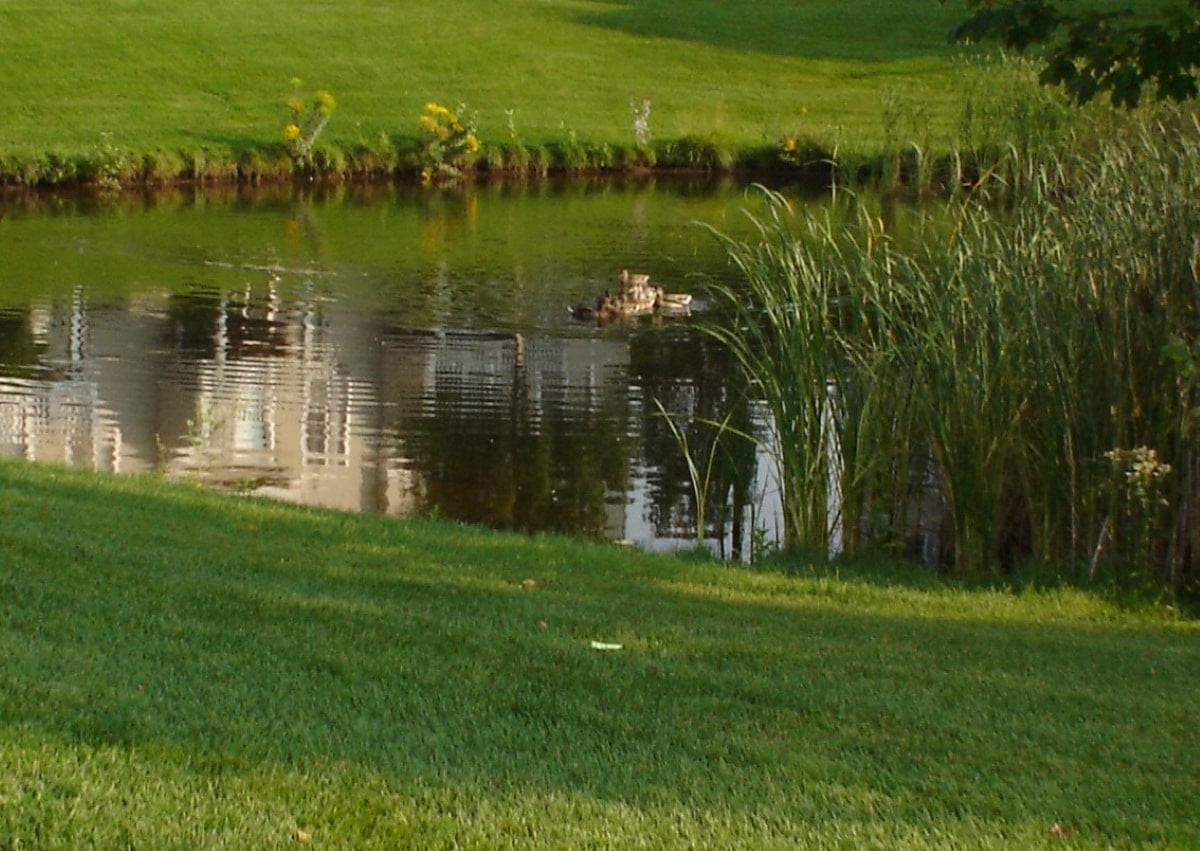
Backyard ponds can be a great source of beauty and enjoyment for many homeowners. Having a pond in your backyard often adds a feeling of tranquility to your property. However, ponds can quickly fall into poor health and degradation if not maintained. Proper backyard pond care and management require a commitment from a well-informed pond owner. There are a variety of pond weed control packages that can help keep your pond healthy and looking great.
It is a wise plan to become familiar with the plants growing in your backyard pond. This will allow you to determine when a species has become overabundant. A general rule of thumb is that if a plant is interfering with a common use of the pond (swimming, fishing, scenic beauty, etc.), then there is a problem that needs to be addressed with proper pond management. Use our Aquatic Plant ID to figure out which species are taking over and which products will best control them.
This article will address some of the most common concerns pond owners experience and how to tackle them. Controlling excess nutrients, water color, free floating plants, algae, and cattails are important parts of pond care. Getting your pond ready for winter is an added step for people in the northern parts of the United States.
Excess Nutrients
A typical cause of excess plant growth is an excess of nutrients in the water. These nutrients accumulate from lawn clippings, fertilizers, and other organic debris that makes its way into the pond.
Nitrogen and phosphorus are usually the culprits. These two nutrients are known to feed algae blooms and unwanted plant growth when they are present in excess quantities. PhosControl is a great product for reducing the levels of phosphorus in your backyard pond.
Sources of the nutrients should be considered and addressed, if possible. Think about your entire watershed: the area of land that drains into your pond. Is there farmland nearby? Do your neighbors fertilize their lawns? Where does rainwater go?
Nutrients travel by way of water into the pond. As water evaporates each summer, the nutrients don’t, and they build in concentration over time. Managing these nutrients through the use of PhosControl and SparKlear will help keep your pond clear and healthy. PhosControl bonds with phosphorus and SparKlear to dissolve nitrites, nitrates, and others, clearing the water column.
Water Color
Another common backyard pond care problem is water discoloration. Water discoloration can result from decomposition of vegetative matter, tannins (a brownish compound that commonly leaches from forest trees), and algae blooms. A pond’s water color can often make or break the beauty and tranquility of a pond. A combination of nutrient reduction and the use of pond dyes can help this.
Free Floating Plants
Floating weeds like duckweed and watermeal often infest ponds where there is little water movement. These surface covering plants are generally considered to be the largest detrimental factor in a pond’s beauty. When the surface of your pond’s water is completely covered, many other problems can arise due to oxygen depletion and photosynthesis interference.
If you begin to see a free floating surface plant infestation in your pond, it is recommended to take action before the entire pond gets taken over. Dibrox or Spritflo are excellent options to control duckweed. Flumigard contains the only active ingredient that will completely control watermeal; it will also kill duckweed. Proper plant identification will ensure the correct product is used for the target species.
Pond Algae
Pond algae, commonly referred to as “pond scum” or “pond moss,” is a common nuisance among ponds. Pond algae control is not a very difficult task, but it requires an ongoing effort. Typically, an algaecide will need to be sprayed across half the pond’s surface once every two weeks.
Mizzen is effective on nearly all types of algae and is safe for most types of fish and wildlife. This liquid algaecide gets diluted with water and sprayed over the surface of algae growth. However, we do not recommend the use of Mizzen or other copper algaecides if your backyard pond contains trout, koi, or channel catfish; these species of fish are particularly sensitive to copper.
Cattails
Cattails are a common sight surrounding many backyard ponds. If these plants have overtaken too much of the pond, our Cattail & Water Lily Control package can be used to control them. RestoreAccess herbicide and RestorationPRO surfactant (wetting/sticking agent) are mixed and diluted then sprayed onto the cattails directly; they will kill the plants down to the roots, giving you the ability to clear away select portions for access to the water again.
A Few Tips for Winter
If you live in an area where outdoor water bodies freeze during the winter, then there are some backyard pond winterization steps that should be taken. The use of a black pond dye in fall is popular to reduce sunlight penetration.
Also, make sure your pond is clear of floating debris such as leaves and pine needles that accumulate during the fall months. It is important to minimize the amount of decomposing matter in the pond because it can produce harmful gasses that become trapped under the ice. Because of this, it is a good idea to keep a hole in the ice so that gas exchanges can take place.
Conclusion
Pond care is an ongoing task that includes identifying plants and algae as well as controlling the different aspects of the water body. Excess nutrients, water color, free floating plants, algae, and cattails all need to be managed for a beautiful pond that can be enjoyed by all.