

Prepare Your Pond for the Fall and Winter Months
It is a great idea to begin winterizing your pond once the fall weather comes and the pond’s water temperature begins to approach 60° F.
The first step to pond winterizing and preparation is reducing debris and other organic matter. Any organic material in your pond will decay during the winter and can deplete the water of oxygen. Leaves, sticks, and any other floating organic material should be removed. For everything submerged, we recommend the use of MuckMaid to help reduce the amount of mucky buildup on the bottom of your pond. Add these pellets throughout the growing season every two to four weeks to keep eating away at the muck.
Make sure to clear up any remaining algae and weeds. If you are experiencing late-season growth of weeds and algae, you should treat with contact chemicals such as Dibrox herbicide and Mizzen algaecide. The more aquatic nuisances you eliminate now as you winterize your pond, the less regrowth you will experience in the spring. Treatments will be effective as long as the water temperature is 60° F or above and the weeds or algae are still growing.
If your pond is being taken over by cattails, now is the perfect time to treat for them. We recommend the Cattail & Water Lily Control package for easy cattail control. Simply pulling the cattails will leave the roots behind and they’ll come back stronger next year, while the Cattail & Water Lily Control set kills the plants all the way down to the roots so you’ll have less regrowth the following year. Allow up to five weeks for full effectiveness.
Phosphorus levels often spike in the summer due to the use of fertilizers. An excess of phosphorus can promote weed and algae growth, so we recommend using a product such as PhosControl to reduce the phosphorus levels as part of your fall and winter preparation. Broadcasting these fine granules across your pond in fall when there is no more growth means the most free phosphorus is available to bond with. Another treatment of PhosControl is recommended in the spring as well, before growth begins.
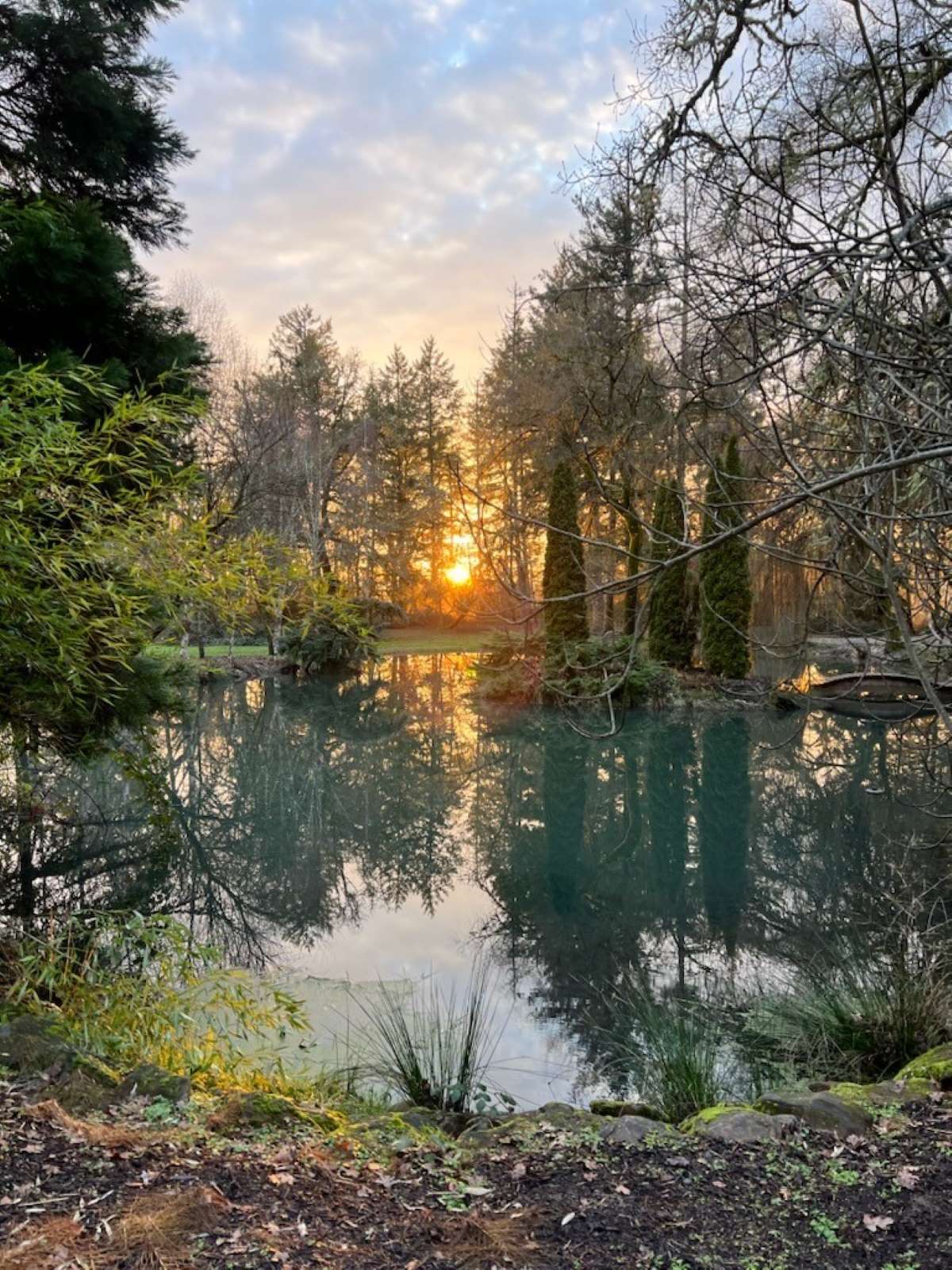
We also recommend the use of a black dye in the fall. Dying your pond black will significantly reduce the amount of sunlight that reaches the underwater plants and algae. The black dye also gives the pond a reflective and natural appearance that looks great during the fall months.
In summary, there are many things you can do to curb weed growth with proper pond winterizing and preparation techniques. To discuss Lake Restoration products that will help reduce weed growth in your pond, please feel free to contact us anytime.