

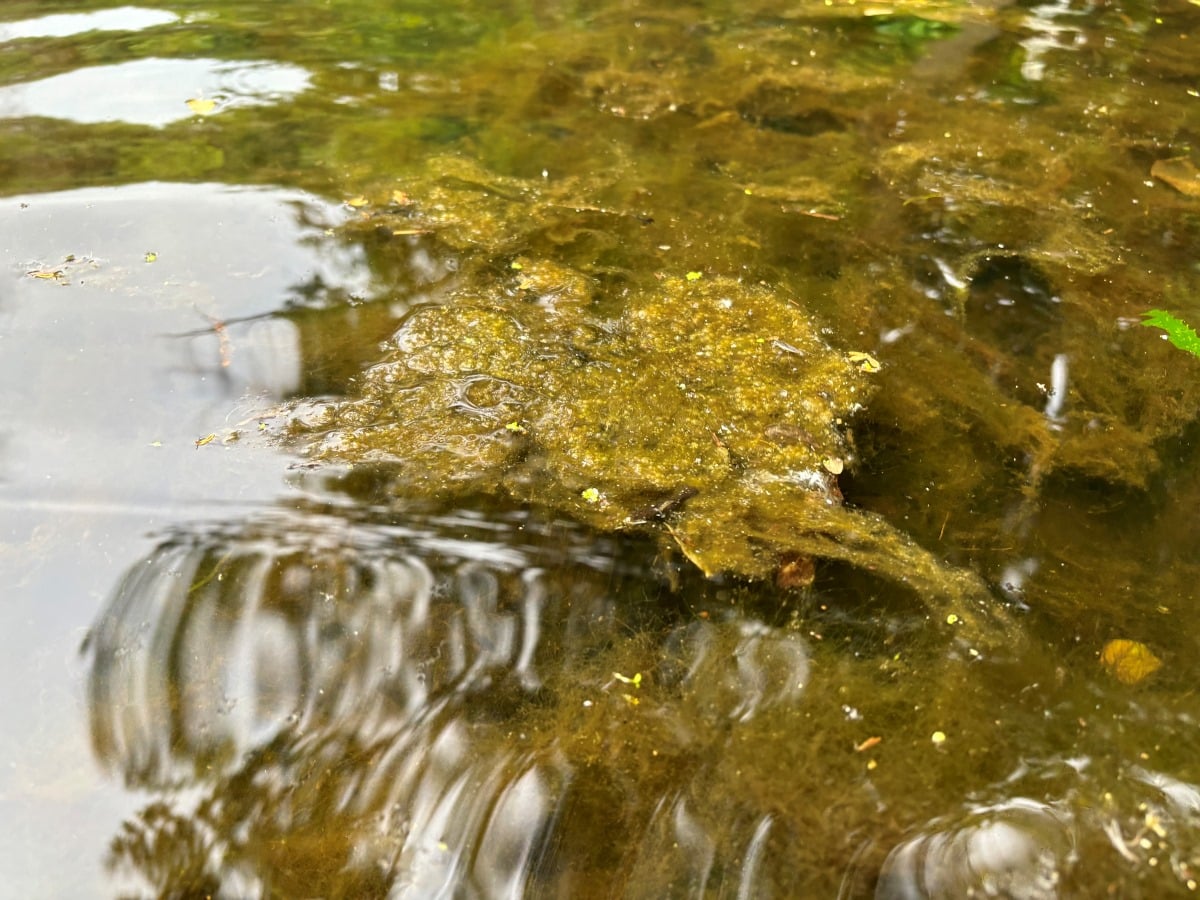
Effective Algaecides for Ponds and Lakes
Benefits of Using Pond and Lake Algaecide
Using an algaecide offers numerous benefits for maintaining a healthy and visually appealing pond or lake. First, it effectively controls and eliminates algae growth, which is crucial for preserving water clarity and preventing the overgrowth of unsightly algae blooms. By reducing algae, an algaecide helps to improve the overall aesthetics of a pond or lake, making it more enjoyable for recreational activities and enhancing its natural beauty.
Second, algaecides can help restore balance to the aquatic ecosystem by controlling excessive algae growth that can deplete oxygen levels and harm fish and other aquatic life. By using pond or lake algaecides, one can achieve a clearer, healthier, and more balanced aquatic environment.
Different Types of Pond and Lake Algaecides
Lake Restoration has different types of pond and lake algaecides available, each designed to address specific algae problems and suit various pond or lake conditions. Copper based algaecides are the most used and are effective against a wide range of algae species. They work by disrupting the cellular structure of algae, leading to their demise.
Copper Algaecides
There are two different types of copper algaecides: copper sulfate and chelated copper complexes. They work similarly in that they destroy algae cell membranes, resulting in cell leakage and death.
The purest form is copper sulfate and is usually 99% copper sulfate pentahydrate. It bonds with algae cells as well as other organic or inorganic compounds. Copper complexes are pre-bonded and will only bond with algae cells, making them the most effective algaecides.
Copper sulfate comes in granular form, ranging from fine to large granules. We stock two of these: fine crystals in our five and fifteen pound containers, and small crystals in the 50-pound bag.
Our copper based algaecide is Mizzen and comes in liquid form. It is a chelated copper complex that bonds with algae cells to kill them. Another brand of chelated copper is Cutrine Plus, which comes in liquid gallons or crystals.
The most widely used algaecides contain copper and if the label is followed, they are safe for most fish, wildlife, pets, and humans. Trout, koi, and channel catfish have a copper sensitivity; if these fish are present, a fish friendly algaecide should be used.
Non-Copper Algaecide
We have a copper free algaecide called Cape Furl that is used to treat algae in ponds that have trout, koi, or channel catfish. It comes in fine granules, more like a powder. The active ingredient in fish safe algaecides is typically sodium carbonate peroxyhydrate, as is the case with our Cape Furl or its equal, GreenClean.
It is important to note that the choice of algaecide should be based on the specific algae species present, pond or lake size, desired environmental impact, and any specific regulations or restrictions in place.
Pond and Lake Algaecide Application Methods
There are various application methods for pond or lake algaecides, each suited for different water body sizes and algae problems. Any algaecide can be targeted to specific areas where algae growth is most prominent.
One common method of application is to dilute a liquid algaecide with water and then apply it to the pond or lake with a sprayer. Granular algaecides can be broadcast directly over an algae bloom. These granules will dissolve upon contact with water, releasing the algaecide.
Whether using liquid or granular, it is crucial to consider the water circulation patterns and wind direction to ensure even distribution and prevent algaecide accumulation in certain areas.
Determine Dosage
Dosage recommendations for pond or lake algaecides depend on factors such as the type of algaecide used, the size of the pond, and the severity of the algae problem. Algaecides are applied based on the pond or lake’s surface area or water volume. It is important to accurately measure the pond or lake to determine the appropriate dosage. Overdosing can be harmful to aquatic life and may have adverse effects on the pond or lake ecosystem.
Treatment
It is recommended to treat the pond or lake in sections over multiple applications rather than applying a large dose all at once. This approach helps minimize the risk of oxygen depletion caused by the rapid die-off of algae. Additionally, consider the water temperature and weather conditions as they can affect the efficacy of the algaecide.
Regular monitoring of the pond or lake after treatment is essential to assess the effectiveness of the algaecide and determine if further treatment is necessary. Always be sure to read and follow the product label(s) for safe and effective dose and application.