Pond Articles
Pond Weed Control in California
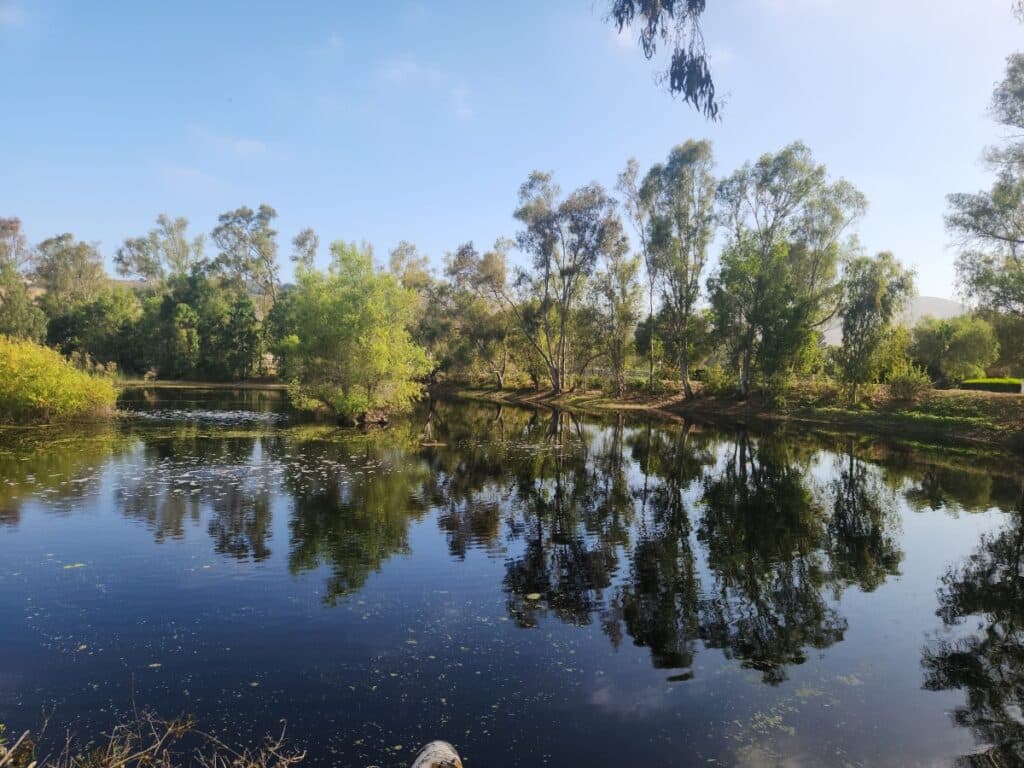
Introduction Anyone who lives in California knows the state has lots of rules and regulations. That also rings true when it comes to aquatic weed control. In brief, California allows aquatic herbicides or algaecides to be shipped to addresses with private ponds or to licensed individuals. There is more to it, which is detailed below.…
Read MoreBeginner’s Guide to Pond Care

3 steps to caring for a pond: identify growth, treat growth, add nutrient reducers. Learn weed categories, which products to use, and when to use them.
Read MoreTexas Pond Management and Pond Weed Control

The difference between native and non-native plants, a list of aquatic invasive species in Texas, steps to control invasives, and a list of resources.
Read MoreUsing a Fountain in Your Pond to Keep Water Clear and Lively

Fountains help ponds by improving the exchange of gases and increasing dissolved oxygen, making water more clear, and even adding property value.
Read MoreLily Pad Control in a Pond

Identify and control water lilies with this information. Whether lilies are just near the shoreline or they’ve overtaken the pond, we’ve got control options.
Read MoreWhen Should I Dye My Pond?

Pond dye is best applied for the first time in spring. Learn why, when you shouldn’t dye the pond, which color to choose, and how to apply it.
Read MorePond and Lake Services

Overview A dirty, overgrown pond or lake can quickly become an eyesore. Not only does it take away from the beauty of your property, but maintaining and cleaning a water body is also labor-intensive and often requires specialized equipment that some homeowners don’t have on hand. Fortunately, Lake Restoration provides professional lake and pond treatment…
Read MoreToxic Algae vs. Harmless Algae
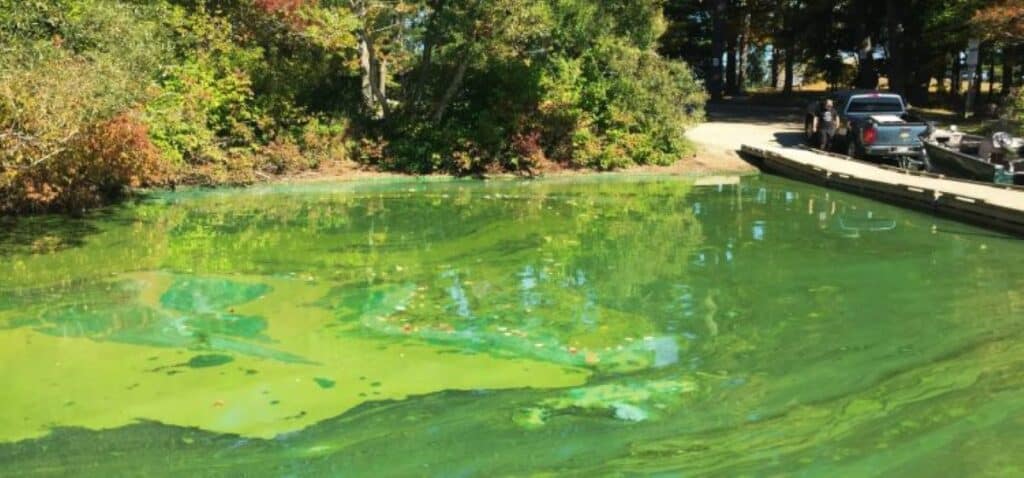
The only sure way to know if algae contain toxins is to test the water, but there are some at home tests that offer clues, including visual inspection.
Read MoreAn In-Depth Look at Aquatic Algaecides
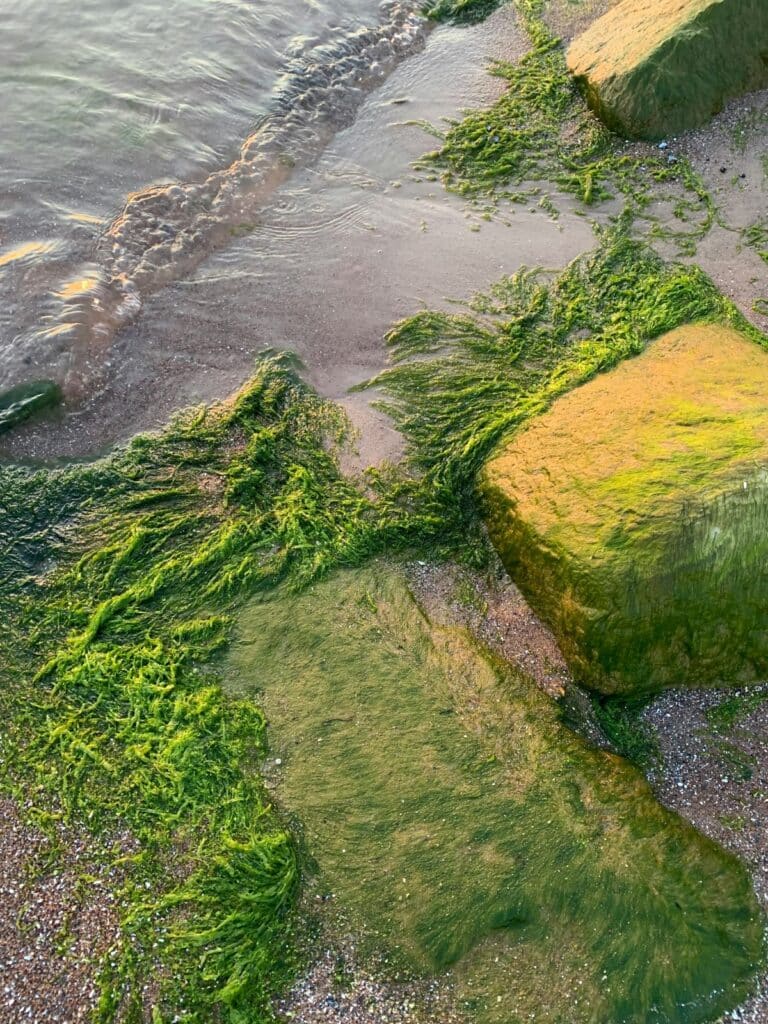
What are aquatic algaecides? How do they work? How do you choose the right one? Click for answers and more information.
Read MoreAn In-Depth Look at Aquatic Herbicides

Overview When aquatic weeds overtake a pond or lake, they can quickly disrupt ecosystems, hinder recreational activities, and reduce water quality. Managing plant overgrowth often requires aquatic herbicides, which are specialized chemical treatments designed to control unwanted vegetation in water environments. With a variety of herbicides available, each having special properties and working in a…
Read MoreHow to Clean a Fish Pond
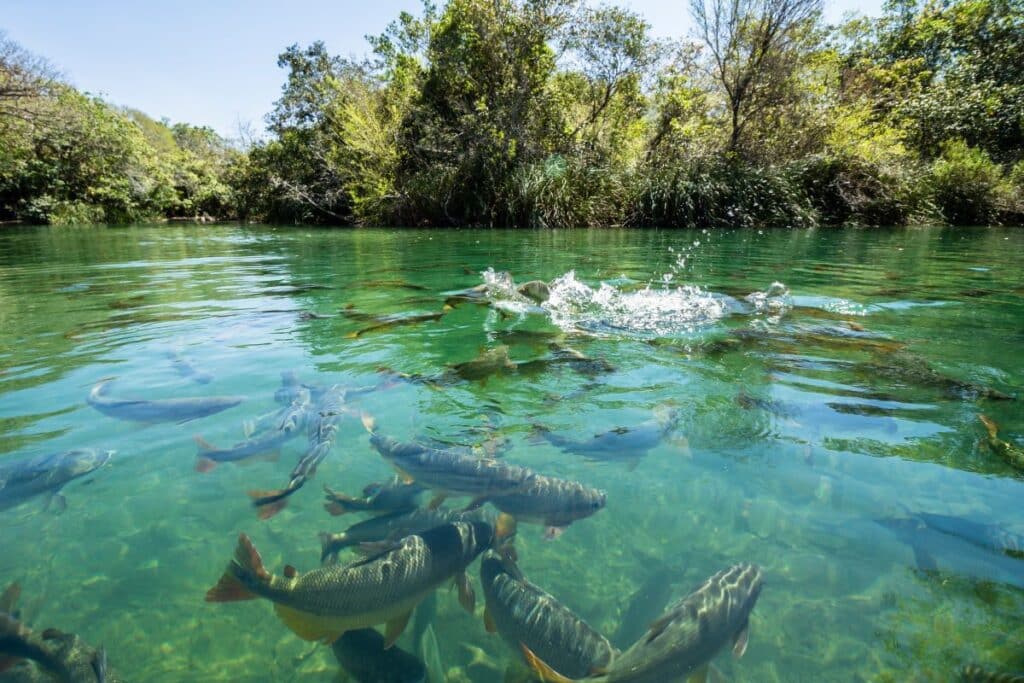
Overview A clean fish pond is essential for maintaining a healthy aquatic environment, good water quality, and the well-being of fish and other aquatic life. Over time, organic debris, algae, and excess nutrients accumulate, leading to murky water, unwanted weed growth, and poor oxygen levels. If left unaddressed, these issues can harm fish populations and…
Read MoreAm I Getting the Right Product?

Introduction Lake Restoration is here to help with your aquatic weed control needs. We have all the tools and tips you need to purchase the correct product for the issues you are having with your lake or pond. Included here all the steps involved in finding aquatic weed herbicides and an animal safe algaecide, including…
Read MoreGetting Rid of Muck in a Pond

Overview Pond muck refers to the sludge and organic material that accumulates at the bottom of a pond over time. It’s often comprised of decomposing plant matter, fish waste, and other debris. Muck can create murky water and unpleasant odors, and when left untreated, it can lead to algae or plant growth. Tackling this issue…
Read MoreHow to Clear up Pond

Overview Murky pond water is more than an eyesore; it can disrupt the ecosystem and prevent the aquatic environment from thriving. It is important to know what made the pond murky. Like a doctor remedying an illness, when the cause is known, it can be treated and cleared up. Some causes of cloudy water include…
Read MoreHydrilla vs. Milfoil
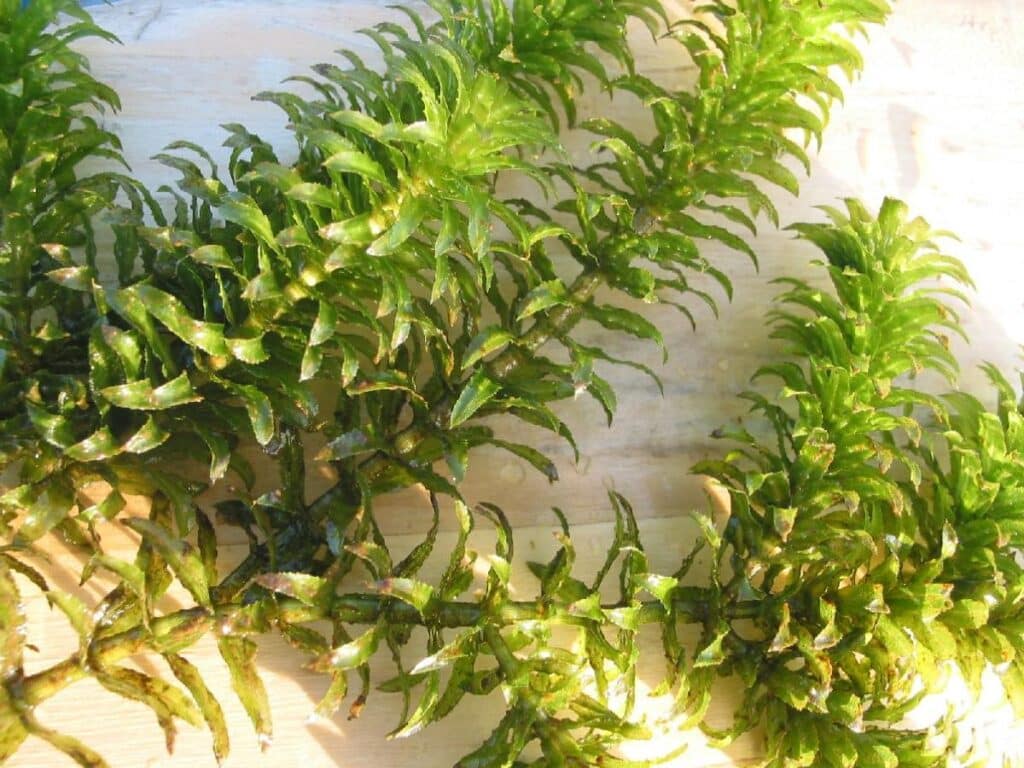
Overview Hydrilla and watermilfoil are two prominent aquatic plants that share some similarities in appearance and habitat. Both are submerged plants that grow in ponds or lakes and form dense vegetation. These plants are often mistaken for one another, but they have distinct characteristics that set them apart. Understanding their differences is key to managing…
Read MoreDuckweed and Algae

Overview Duckweed and algae are common aquatic organisms that, when uncontrolled, can create significant challenges for a pond or lake. While small quantities of these are generally safe, these plants’ ability to rapidly grow can quickly make a water feature unusable and potentially harmful for fish and other aquatic life. Duckweed is a plant and…
Read MorePond Fountains In-Depth

Overview Pond fountains are a beautiful yet beneficial addition to a pond. Fountains reduce weed growth and add an aesthetic look to your outdoor oasis. The movement a fountain produces not only makes a pond more attractive but also keeps it fresh and balanced. Why Do Ponds Have Fountains? Installing a fountain in your pond…
Read MoreWatermeal: Identify & Control

What does watermeal look like and is it duckweed? How do you control it? Click for more answers and information.
Read MoreBackyard Duck Pond: A Comprehensive Guide

What is a duck pond? Do ducks need it? How is it maintained? Click for answers and more information.
Read MoreWhat Kills Aquatic Weeds Permanently?

How to Prevent Weeds from Growing? There is no way to completely prevent all weeds from growing on your lake shore or in your pond. However, there are things you can use to help reduce the amount of growth you see during the season. Using nutrient reducers such as PhosControl and MuckMaid can be a…
Read More