
Pond Articles
Coontail vs. Milfoil: Identify & Control
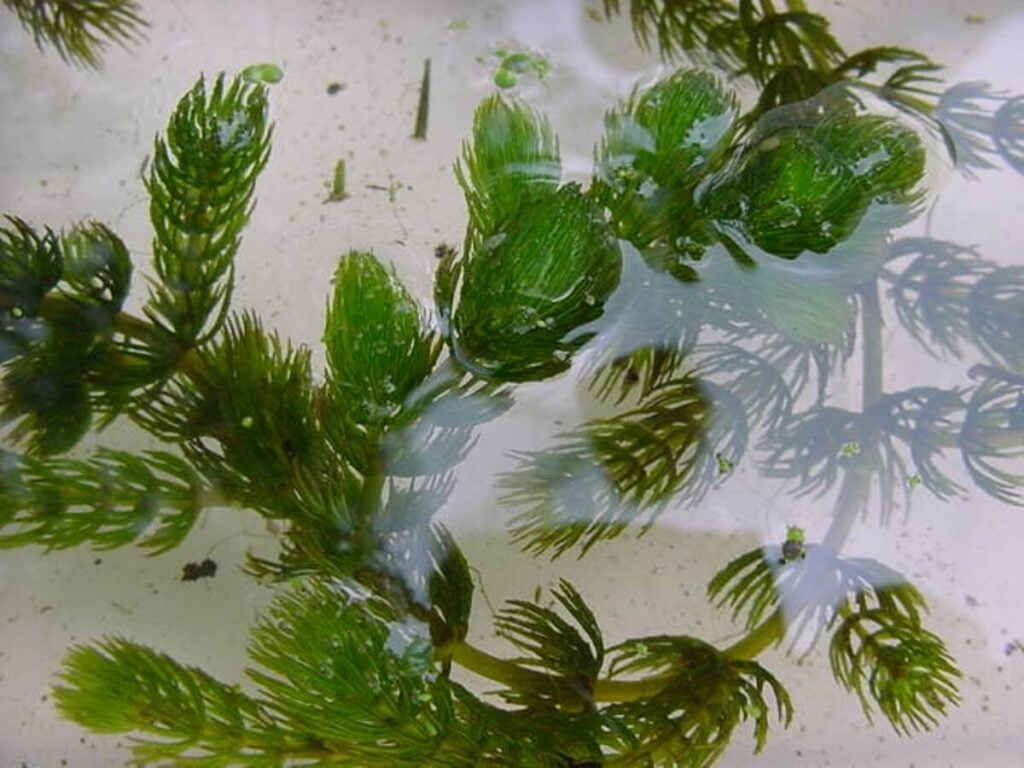
Overview Although coontail and milfoil look similar with their branched stems and bushy leaves, they have a few differing characteristics that aid in the identification of each plant. Coontail feels rough when pulled through the hand and has straight leaves. Milfoil is smoother to the touch and has pairs of leaflets. Another big difference is…
Read MoreDuckweed and Watermeal: Identify & Control

What are duckweed and watermeal? How can they be identified? What are the treatments? Click for the answers and more information.
Read MoreOxygen: The Most Important Element

Overview Aquatic plants and animals need oxygen to survive, and a water body needs it to stay healthy. One of the most common ways to determine how healthy the water is and how much life it can sustain is by detecting dissolved oxygen levels in ponds. As air and water mix at the surface, oxygen…
Read MorePond Fountain Guide

What type of fountain is best? How to choose a pond fountain? Is there any maintenance? Click for the answers and more information.
Read MoreWhat is Duckweed, and is it Good?

Common duckweed, or Lemna minor, is a small flowering, floating plant that sits on the surface of still ponds or lakes. Identifying this plant is difficult and people often confuse it with watermeal. Duckweed, also called water lentils, can overwhelm an area if not controlled. This occurs because the plants grow incredibly fast and cause…
Read MorePond Dye: The Ultimate Guide
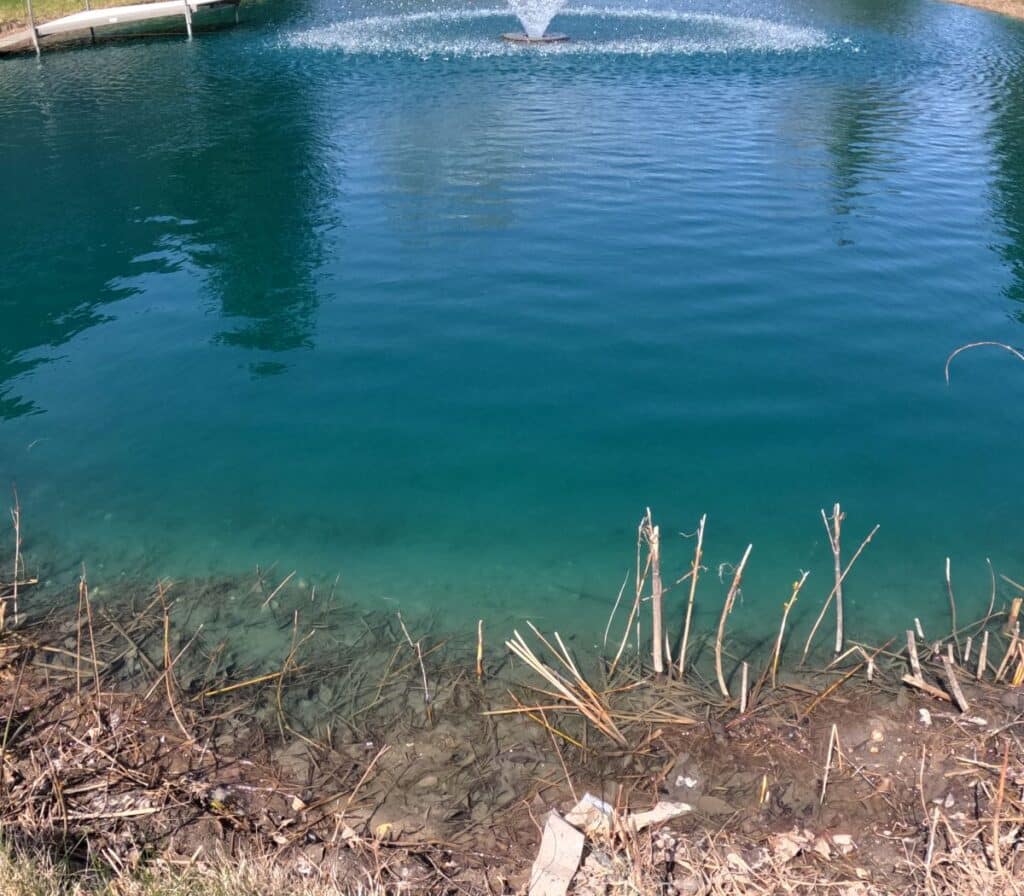
Learn how dye can enhance water quality and beauty while avoiding harmful consequences, choose a color, and answer common questions.
Read MorePond Predators

Whether you have an excess of leeches, frogs, muskrats, herons, racoons, or snapping turtles, it is important to monitor your pond for wildlife.
Read MoreEssential Pond Care and Management Tips

Learn about how to manage and keep up your pond. Identify weeds, use herbicides and algaecides as needed, add pond dye and nutrient reducers.
Read MorePrepare Your Pond for the Fall and Winter Months

There are many actions that can prepare your pond for the fall and winter months. Clear leaves and debris, reduce muck/ excess nutrients, dye pond.
Read MoreAquatic Pesticides Water Use Restrictions

Restrictions may include irrigation, livestock watering, swimming, or domestic uses. Always consult product labels.
Read MoreKeeping Geese Out of Your Yard
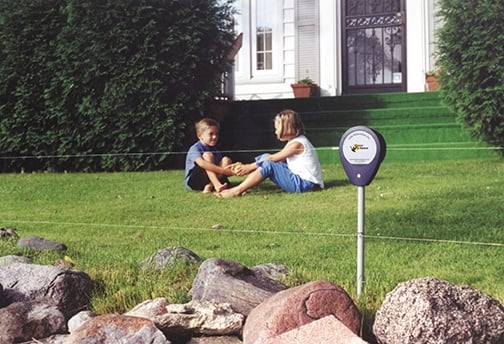
Discover effective strategies and proven methods to deter geese from invading your yard. Learn how to keep geese out of your yard today!
Read MoreToxic Algae: What They Are and How to Prevent Growth

Algae blooms can contain toxins. Learn what toxic algae are, harmful effects, plus how to treat blooms and prevent future growth.
Read MoreSteps to Prevent Mid-Summer Algae Blooms

Treat algae as needed throughout the season, but add in a few steps to reduce the nutrient load in your pond as well.
Read MoreHow to Prevent Weed and Algae Takeover

Read about some of the most common floating weeds, submerged plants, and emergent vegetation, as well as how to control them.
Read MoreIs Your Pond Ready for Spring?

Before the water reaches 55° F, take these steps to make sure your pond will look its best this season.
Read MoreElodea: Identify & Control

With three dark green blade like leaves whorled around the stem, Elodea can be confused for Hydrilla, which has four to eight leaves per whorl.
Read MoreParrot Feather: A Threat to Wisconsin Waters

Parrot feather, or Brazilian watermilfoil, is a highly invasive plant. Knowing what to look for and what to do about it will help keep this weed in control.
Read MorePhragmites Control Will Diversify Your Shoreline and the Ecosystem

Phragmites, or the common reed, are hearty plants that can overtake a shoreline. Getting them under control is crucial to ensure native plant diversity.
Read MoreKilling Floating Pond Weeds: A Step Towards A Healthy Pond

What will make your pond look better? Killing off the weeds that float on the surface is a great step. First, identify what the plants are, then take control.
Read More5 Simple Steps to a Healthy Pond

Control growth, reduce nutrients, and filter sunlight to make your pond the most beautiful it can be. Read more about the steps here.
Read More