Control Pond Algae
Pond algae control is a very important part of maintaining a healthy pond. Algae control in ponds is achievable through a number of tools or efforts.
Click here to read more about identifying this plant.
What Causes Algae in Ponds?
Algae are simple aquatic organisms that can thrive in various environments, including freshwater ponds. It is very common to have algae in ponds because they can spread very easily from waterfowl, wildlife and other means.
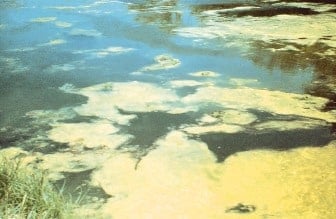
Excessive algae growth can be caused by an overabundance of nutrients, especially phosphorus and nitrogen. High nutrient loads in ponds can lead to algae blooms and ugly, smelly, floating algae in ponds. Nutrient pollution can originate from fertilizer, farm runoff, septic systems, and decomposing leaves or lawn clippings.
Why is Pond Algae Bad?
In very high densities, algae blooms may discolor the water and outcompete, poison, or asphyxiate other life forms. Some algae contain toxins that can be harmful to humans and pets. Excessive algae growth can indicate problems with water quality. Water can become unsuitable for fish, swimming, and other animals.
How to Get Rid of Algae in Ponds?
Nutrient management along with a proper pond algaecide should be employed for optimum pond algae control.
Best Algae Killers for Ponds
Here are some safe and effective algaecides that provide excellent algae control in ponds:
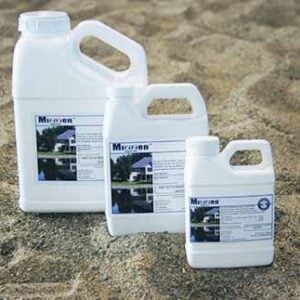
- Mizzen is a copper based algaecide. It will control nearly all types of planktonic algae, filamentous algae, and Chara. Simply dilute with water and spray evenly across the surface or spot treat algae mats as needed. No swimming restrictions apply. Mizzen is an EPA approved algaecide that is safe for most fish; however, it is not recommended for use where there are koi, trout, or channel catfish.
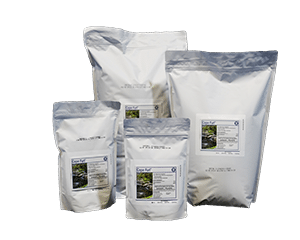
- Cape Furl is a fast acting algaecide that is a powerful algae killer for ponds. Broadcast the fine granules directly over algae. Cape Furl works immediately by bubbling and discoloring algae on contact. It is a fish-safe algaecide that can be used in koi ponds or other freshwater ponds with fish.
- Copper Sulfate is a copper based algaecide formulated as powder or granules. It can be broadcast over the algae or dissolved in water and sprayed. Copper is not recommended in ponds with koi, trout, or channel catfish.
- Cutrine Plus liquid or granules are diluted and sprayed or broadcast over algae. Copper is the active ingredient; copper algaecides are not recommended for use with koi, trout, or channel catfish.
- GreenClean granules are broadcast over the algae, and are fast-acting. GreenClean is a fish-safe algaecide that can be used with koi, trout, or channel catfish.
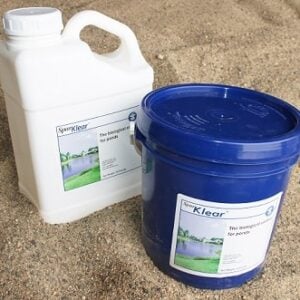
There are some products available that will slow the regrowth of algae. Pond control products such as SparKlear and PhosControl will reduce the nutrients available to the algae.
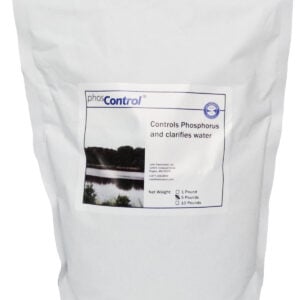
- PhosControl bonds with phosphorus in the pond water. Phosphorus is the main nutrient needed for pond algae growth. One pound of phosphorus in the water can support 500 pounds of algae growth in a pond.
- SparKlear breaks down nitrites and nitrates into nitrogen gas that then escape the pond and return to the atmosphere. These beneficial bacteria digest nutrients and help dissolve dead materials and odors from the pond.
Application Tips
- If you are experiencing recurrent algae blooms in your pond at two to three week intervals, you should strongly consider nutrient management along with algaecide treatments.
- For severe algae blooms, avoid oxygen depletion by applying to one half or one third of the pond at a time. (Read product labels’ “Environmental Hazards” section.)
- Allow 10 – 14 days between the applications.
- Break up any large mats of algae before applying an algaecide.
- Apply Mizzen when algae first appear and when the water temperatures are above 60° F.
- Refer to labels for dosage rates and other instructions.
If you have any questions or would like to speak to us about pond algae control, please feel free to call us at: 1-877-428-8898
Recommended Products
-

Mizzen®
$25.00 – $1,216.00 -
Copper Sulfate
$45.00 – $225.00 -

Cape Furl®
$14.99 – $139.99 -
PhosControl®
$19.99 – $103.00 -
SparKlear®
$23.50 – $355.00