Posts by Paul Kretsch
Parrot Feather: A Threat to Wisconsin Waters

Parrot feather, or Brazilian watermilfoil, is a highly invasive plant. Knowing what to look for and what to do about it will help keep this weed in control.
Read MorePhragmites Control Will Diversify Your Shoreline and the Ecosystem

Phragmites, or the common reed, are hearty plants that can overtake a shoreline. Getting them under control is crucial to ensure native plant diversity.
Read MoreHow to Get Rid of Cattails in a Pond or Lake
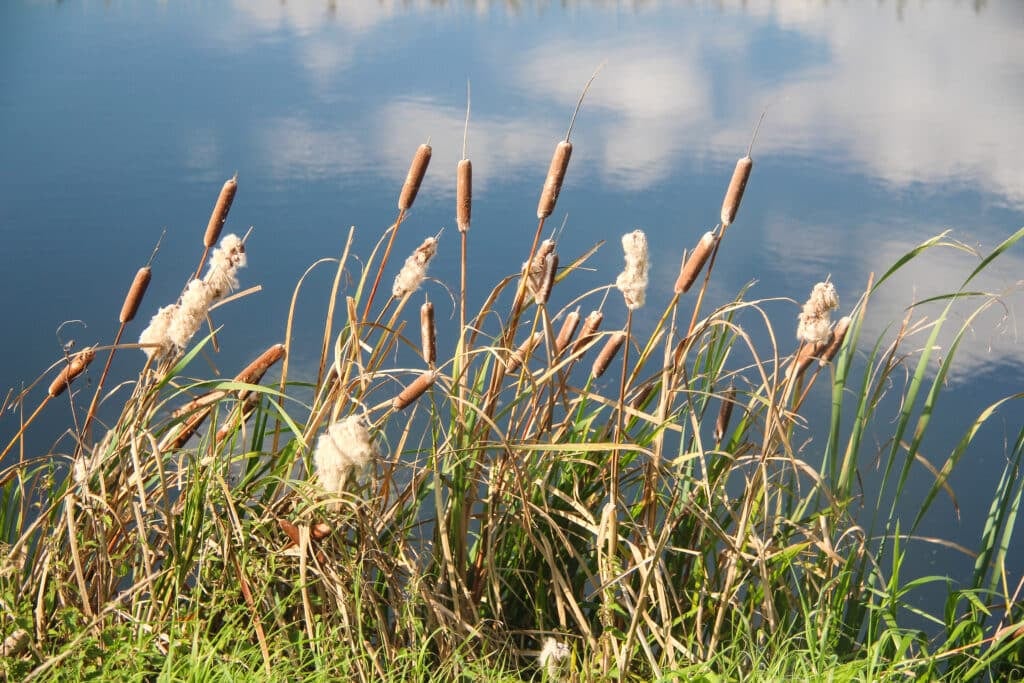
Don’t cut or burn cattails when they are actively growing; it can stimulate more growth. Find out what to do and when to do it here.
Read MoreKilling Floating Pond Weeds: A Step Towards A Healthy Pond

What will make your pond look better? Killing off the weeds that float on the surface is a great step. First, identify what the plants are, then take control.
Read MoreAlgal Blooms in Lakes and How to Control Them

What contributes to algal blooms? What are algae? How can you control algae blooms? Read on to find out more.
Read MoreGoose Deterrent D-Fence Keeps Waterfront Properties Goose-Free

Geese make a mess. Find out how to keep geese away from your beautiful waterfront.
Read More5 Simple Steps to a Healthy Pond

Control growth, reduce nutrients, and filter sunlight to make your pond the most beautiful it can be. Read more about the steps here.
Read MoreHow to Get Rid of Algae in a Fountain or Water Feature

When algae bloom, prompt treatment keeps your water looking great. Maintenance throughout the season can help keep water clear all year.
Read MoreWisconsin Aquatic Weed Control and Management in Ponds and Lakes
Below are some descriptions of and solutions for Wisconsin aquatic weed control issues. Purple Loosestrife Purple loosestrife is a nuisance exotic weed that is extremely invasive in Wisconsin’s wetlands as it displaces native wetland vegetation and degrades wildlife habitat. And as native vegetation is displaced, rare plants are often the first species to disappear. This…
Read MoreMinnesota Aquatic Weed Control in Ponds and Lakes
Here are some examples of aquatic weeds and how to control them in any of Minnesota’s 11,842 lakes, 6,564 natural rivers and streams and over 10 million acres of wetlands. Curlyleaf Pondweed Curlyleaf pondweed also known as Curly cabbage or crisp pondweed is a plant native to Africa, Australia, and Eurasia and was introduced in…
Read MoreIndiana Aquatic Weed Control and Pond Management
Invasive aquatic plant species in Indiana’s waterways are a source of biological pollution that threaten the ecology of the states’ water resources. These resources are at risk when nuisance exotic plant species invade these ecosystems. Below is a guideline for approaching Indiana aquatic weed control along with a list of the more common aquatic weeds…
Read MoreMizzen, a Copper Based Algaecide
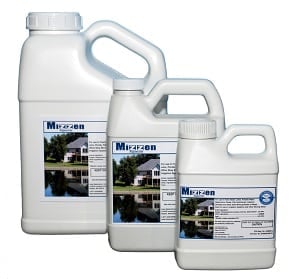
Mizzen is an easy to use liquid containing chelated copper. It will kill nearly any type of algae and is safe to use with most fish and wildlife. Our #1 seller!
Read MoreHydrilla Killer: How to Effectively Kill Hydrilla
Hydrilla is a submerged plant commonly found in ponds and lakes throughout the United States. The plant is an invasive species that originated in Southeast Asia and, once it becomes established, quickly grows over other plants species in its area and starts to harm fish and wildlife. Hydrilla can grow up to one inch per…
Read MoreThe LAKEMAID® – A Better Mechanical Weed Cutter
Do you have a weed problem around your dock but don’t want to (or can’t) use chemicals? We have the perfect solution for you! The LakeMaid is the ultimate automatic weed removal system. It consists of a long floating arm propelled by a submerged pump that drags weed-removing rakes across the lake bottom. This repetitive…
Read MoreFlorida Aquatic Weed Control in Ponds
Florida has over 7700 ponds and lakes and a variety of species of invasive pond weeds. Here are some of the more common aquatic pond weeds found in Florida and how you can control them. Water hyacinthWater HyacinthWater hyacinth is native to South America but has naturalized in much of the Southern U.S. For this…
Read MoreMichigan Aquatic Weed Control and Pond Management
Lake Michigan has been subject to invasions of aquatic weeds species since the settlement of the region by Europeans. Since the 1800s, at least 140 non-indigenous aquatic organisms have been introduced to the Great Lakes ecosystem. Aquatic weeds come in the form of flora and fauna, and here we focus on the six most widespread…
Read MorePond Colorant: More Than Just Water Color Dye

See a few benefits and details about using pond dye.
Read MoreFluridone: Principles of an Effective Aquatic Herbicide

Fluridone provides extended control of plants like duckweed. Rates are based on average depth. Read on to find out more.
Read More