

Posts by Paul Kretsch
Using a Fountain in Your Pond to Keep Water Clear and Lively

Fountains help ponds by improving the exchange of gases and increasing dissolved oxygen, making water more clear, and even adding property value.
Read MoreLily Pad Control in a Pond

Identify and control water lilies with this information. Whether lilies are just near the shoreline or they’ve overtaken the pond, we’ve got control options.
Read MoreWhen Should I Dye My Pond?

Pond dye is best applied for the first time in spring. Learn why, when you shouldn’t dye the pond, which color to choose, and how to apply it.
Read MoreToxic Algae vs. Harmless Algae
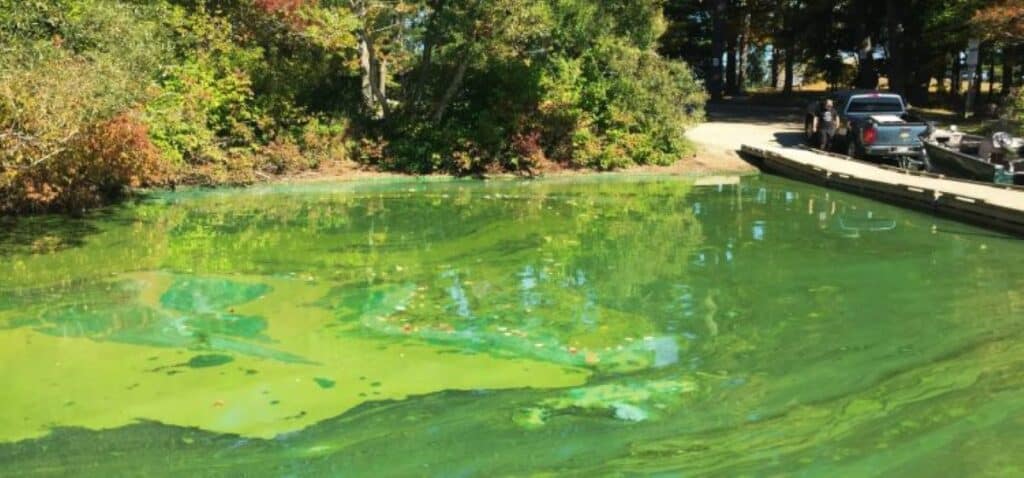
The only sure way to know if algae contain toxins is to test the water, but there are some at home tests that offer clues, including visual inspection.
Read MoreLake Shore Management – The Essentials

Essential guide on how to manage your lakeshore weeds and appearance for boating, swimming and recreational dock area use.
Read MoreHow to Prevent Swimmer’s Itch in Your Pond or Lake

What is swimmer’s itch? What can be done to prevent it? Read about this rash, what causes it, and some easy steps to take to prevent the itching.
Read MorePond Predators

Whether you have an excess of leeches, frogs, muskrats, herons, racoons, or snapping turtles, it is important to monitor your pond for wildlife.
Read MoreEssential Pond Care and Management Tips

Learn about how to manage and keep up your pond. Identify weeds, use herbicides and algaecides as needed, add pond dye and nutrient reducers.
Read MorePrepare Your Pond for the Fall and Winter Months

There are many actions that can prepare your pond for the fall and winter months. Clear leaves and debris, reduce muck/ excess nutrients, dye pond.
Read MorePreserving Lakes

An article about Lake Restoration’s role in helping to preserve our country’s beautiful lakes.
Read MoreAquatic Pesticides Water Use Restrictions

Restrictions may include irrigation, livestock watering, swimming, or domestic uses. Always consult product labels.
Read MoreKeeping Geese Out of Your Yard
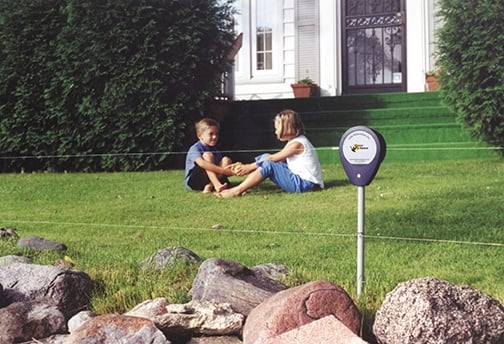
Discover effective strategies and proven methods to deter geese from invading your yard. Learn how to keep geese out of your yard today!
Read MoreLAKEMAID Lake Weed and Muck Removal Machine
Did you know there is a way to remove unwanted lake weeds and muck in as little as 24 hours? You can do this with help from the LAKEMAID® lake weed and muck removal system from Lake Restoration! You won’t have to strain yourself by removing weeds by raking them with a traditional lake rake.…
Read MoreUsing Nutrient Reducers to Help Slow Down Algae Growth
If you are like most people with a pond, you may be in a constant battle with algae and pond weed growth during the warmer months of the year. This is because aquatic plants thrive in warm weather and the conditions that it brings to your pond. Lack of water movement can create a buildup…
Read MoreToxic Algae: What They Are and How to Prevent Growth

Algae blooms can contain toxins. Learn what toxic algae are, harmful effects, plus how to treat blooms and prevent future growth.
Read MoreSteps to Prevent Mid-Summer Algae Blooms

Treat algae as needed throughout the season, but add in a few steps to reduce the nutrient load in your pond as well.
Read MoreHow to Prevent Weed and Algae Takeover

Read about some of the most common floating weeds, submerged plants, and emergent vegetation, as well as how to control them.
Read MoreIs Your Pond Ready for Spring?

Before the water reaches 55° F, take these steps to make sure your pond will look its best this season.
Read MorePond Ice Rinks: A Great Way to Enjoy your Pond All Year Long!
It can be a sad time of year when we have to hang up the hat on our summer pond time. But that doesn’t mean that all of your good-time pond-time has to end. It’s easy to turn those hours of summer enjoyment into winter fun with a pond ice rink. If you turned off…
Read MoreWidgeon Grass Control — Easily Kill Widgeon Grass in Your Pond or Lake
Belonging to the category of submerged weeds, Widgeon grass (Ruppia maritima) is also known by its common names ditch-grass and Tassel pondweed. This aquatic plant is also categorized as a seagrass as it has the unique ability of being able to survive in both fresh and saltwater environments (Please note that the widget grass control…
Read More