
Pond Management
Beginner’s Guide to Pond Care

3 steps to caring for a pond: identify growth, treat growth, add nutrient reducers. Learn weed categories, which products to use, and when to use them.
Read MoreTexas Pond Management and Pond Weed Control

The difference between native and non-native plants, a list of aquatic invasive species in Texas, steps to control invasives, and a list of resources.
Read MoreLily Pad Control in a Pond

Identify and control water lilies with this information. Whether lilies are just near the shoreline or they’ve overtaken the pond, we’ve got control options.
Read MoreWhen Should I Dye My Pond?

Pond dye is best applied for the first time in spring. Learn why, when you shouldn’t dye the pond, which color to choose, and how to apply it.
Read MoreEffective Algaecides for Ponds and Lakes

What are the benefits of using algaecides? What types of algaecides are there? How do you use an algaecide? Click to find out!
Read MorePond and Lake Services

Overview A dirty, overgrown pond or lake can quickly become an eyesore. Not only does it take away from the beauty of your property, but maintaining and cleaning a water body is also labor-intensive and often requires specialized equipment that some homeowners don’t have on hand. Fortunately, Lake Restoration provides professional lake and pond treatment…
Read MoreToxic Algae vs. Harmless Algae
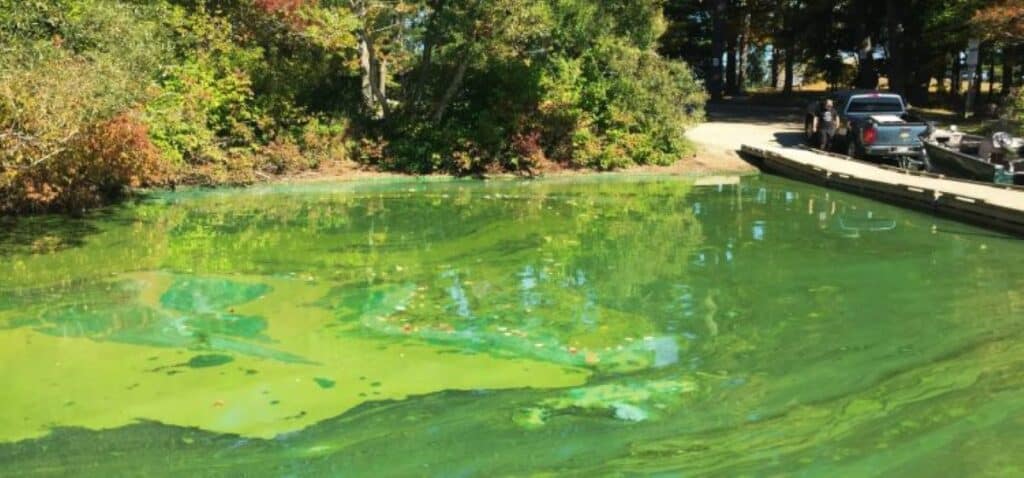
The only sure way to know if algae contain toxins is to test the water, but there are some at home tests that offer clues, including visual inspection.
Read MoreAn In-Depth Look at Aquatic Algaecides
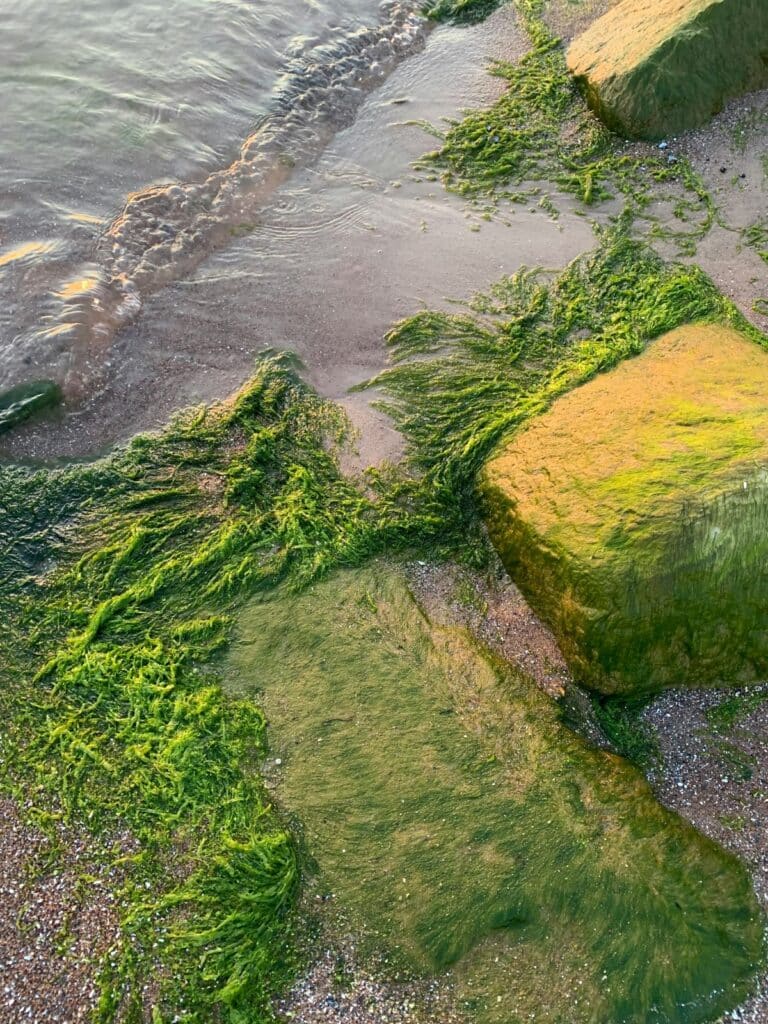
What are aquatic algaecides? How do they work? How do you choose the right one? Click for answers and more information.
Read MoreHow to Clean a Fish Pond
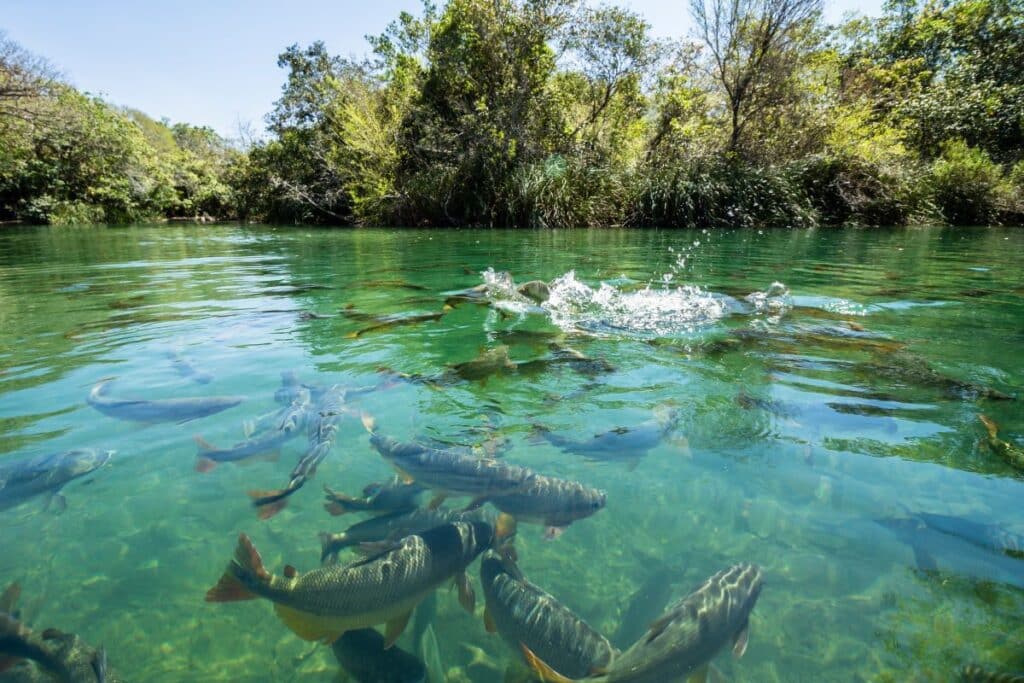
Overview A clean fish pond is essential for maintaining a healthy aquatic environment, good water quality, and the well-being of fish and other aquatic life. Over time, organic debris, algae, and excess nutrients accumulate, leading to murky water, unwanted weed growth, and poor oxygen levels. If left unaddressed, these issues can harm fish populations and…
Read MoreWatermeal: Identify & Control

What does watermeal look like and is it duckweed? How do you control it? Click for more answers and information.
Read MoreCyanobacteria: What Are They? Are They Dangerous?

Are They Algae? Cyanobacteria[1] are not a type of algae, although they create blooms like algae. Often being referred to as blue-green algae leads to the common misconception they are an algal bloom. To the naked eye, no difference is seen between an algal bloom and a cyanobacterial bloom so it cannot be determined whether…
Read MoreIs Pond Algaecide Safe for Fish?

Algaecides can be used without harming fish. For most, a fish kill doesn’t come from algaecides, but from the depletion of oxygen when the algae die off.
Read MorePond Dye: The Ultimate Guide
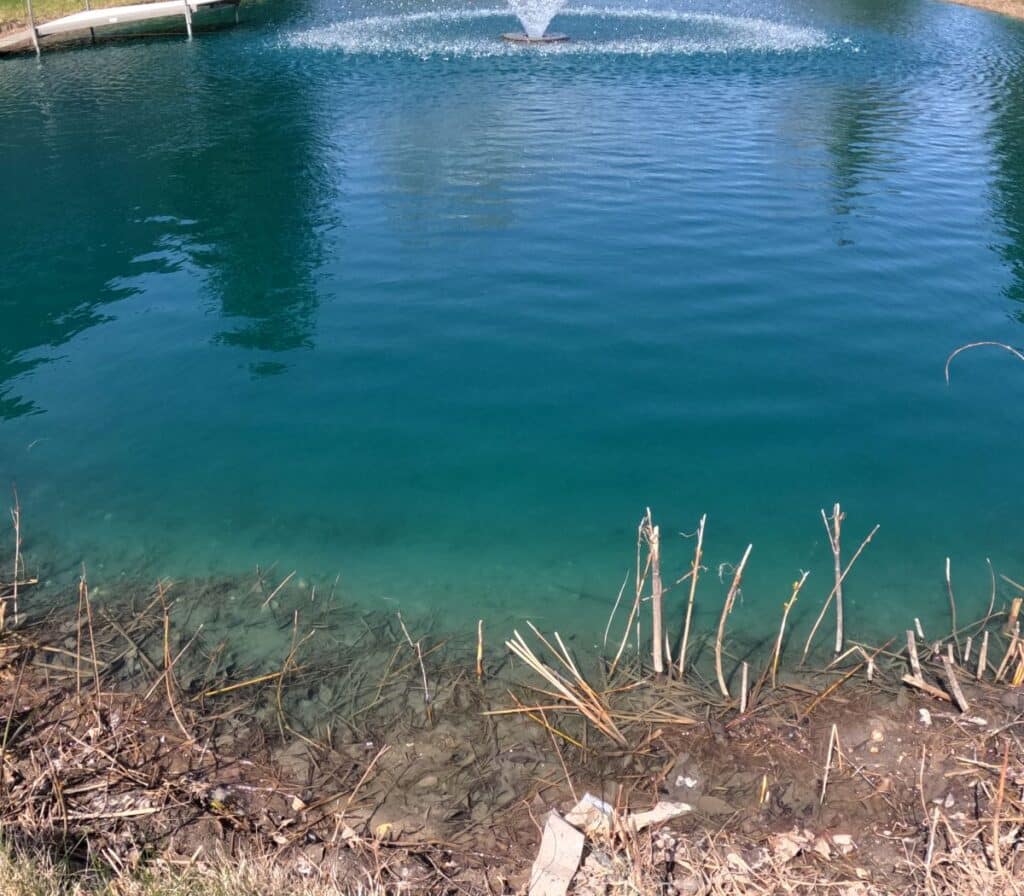
Learn how dye can enhance water quality and beauty while avoiding harmful consequences, choose a color, and answer common questions.
Read MorePond Predators

Whether you have an excess of leeches, frogs, muskrats, herons, racoons, or snapping turtles, it is important to monitor your pond for wildlife.
Read MoreEssential Pond Care and Management Tips

Learn about how to manage and keep up your pond. Identify weeds, use herbicides and algaecides as needed, add pond dye and nutrient reducers.
Read MorePrepare Your Pond for the Fall and Winter Months

There are many actions that can prepare your pond for the fall and winter months. Clear leaves and debris, reduce muck/ excess nutrients, dye pond.
Read MoreKeeping Geese Out of Your Yard

Discover effective strategies and proven methods to deter geese from invading your yard. Learn how to keep geese out of your yard today!
Read MoreSteps to Prevent Mid-Summer Algae Blooms

Treat algae as needed throughout the season, but add in a few steps to reduce the nutrient load in your pond as well.
Read MoreHow to Prevent Weed and Algae Takeover

Read about some of the most common floating weeds, submerged plants, and emergent vegetation, as well as how to control them.
Read MoreIs Your Pond Ready for Spring?

Before the water reaches 55° F, take these steps to make sure your pond will look its best this season.
Read More